
Quick Answer: Store disposable vapes upright indoors between 15 °C and 25 °C out of direct sunlight and locked cars, where cabin temperatures quickly spike far above Sydney’s summer mean daily maxima of 25.9 °C in January and 26.0 °C in February (Australian Bureau of Meteorology climate averages). Excessive heat thins vegetable glycerine and propylene glycol e-liquid, triggering mouthpiece leaks and accelerating lithium-ion battery degradation across sealed units such as the Alibarbar INGOT9000 (A$60.00, in stock) and UMIN Slick Plus 10000 (A$40.00, in stock) as of 13 November 2026.
Why Australian Summer Heat Disrupts E-Liquid Viscosity and Pressure
Disposable vapes balance two delicate physical systems inside a pocket-sized plastic or aluminium shell: a saturated cotton-wrapped mesh coil and an internal lithium-ion cell. At comfortable room temperatures between 15 °C and 25 °C, e-liquid stays viscous enough to cling evenly to internal polyfill reservoirs without flooding the central airflow chimney.
Across much of Australia between November and March, parked cars, beach bags, and outdoor ute dashboards routinely trap far more heat than outdoor shade air temperatures. When ambient temperature climbs above 35 °C, e-liquid viscosity drops sharply, causing thinner liquid to seep past wicking cotton barriers into the centre air tube. At the same time, trapped air inside sealed or partially used reservoirs expands with rising heat, forcing excess droplets out through the mouthpiece or base airflow sensor.
How Heat Affects Lithium-Ion Batteries Across IGET, Alibarbar & UMIN Models
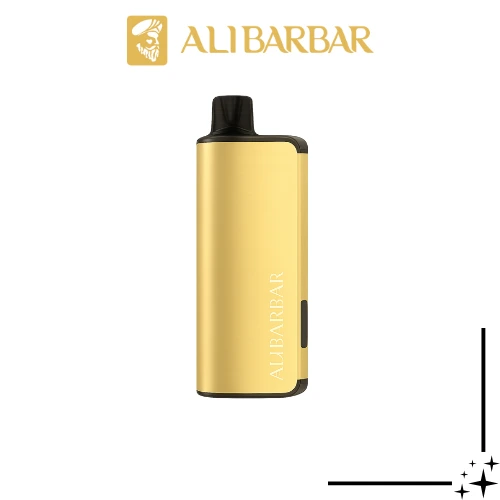
High-capacity disposables pack substantial energy density into compact housings—ranging from 1,750 mAh in the IGET Moon K5000 (A$50.00, currently out of stock) up to 2,400 mAh in the in-stock Alibarbar INGOT9000 and 2,700 mAh in the in-stock UMIN Slick Plus 10000 (all prices on iget1.com as of 13 November 2026). Exposure to sustained high heat degrades lithium electrolytes prematurely, raising internal cell resistance and shortening usable runtime long before the liquid tank finishes.
The table below summarises storage and battery considerations across popular hardware stocked on iget1.com as of 13 November 2026 (where puff counts reflect manufacturer laboratory estimates).
| Device Model (iget1.com, 13 Nov 2026) | Price & Stock Status | Battery & Tank Specs | Summer Storage Priority |
|---|---|---|---|
| Alibarbar INGOT9000 Puffs | A$60.00 (reg. A$65.00) — In stock (27 flavours) | 2,400 mAh True Disposable; 22 mL; 1.2 Ω Mesh | Gold metal body conducts external sun heat fast—keep shaded indoors upright |
| UMIN Slick Plus 10000 Puffs | A$40.00 (reg. A$45.00) — In stock (27 flavours) | 2,700 mAh internal cell; 1.3 Ω Mesh; 3% (30 mg/mL) | Large 2,700 mAh cell—avoid warm gloveboxes and damp coastal pockets |
| IGET Moon K5000 Puffs | A$50.00 (reg. A$60.00) — Out of stock (25 flavours) | 1,750 mAh non-rechargeable; 13 mL; 1.35 Ω Mesh | Compact pebble shell—keep silicone mouthpiece bung for pocket carry |
| Alibarbar Ice Adjust 12000 Puffs | A$60.00 (reg. A$65.00) — Out of stock (15 flavours) | 1,800 mAh Type-C rechargeable; 25 mL Dual-Tank; 1.3 Ω Mesh | Never plug Type-C charger into a hot unit straight from outdoors |
Temperature Thresholds, Metallic Casings and Sunlight Traps
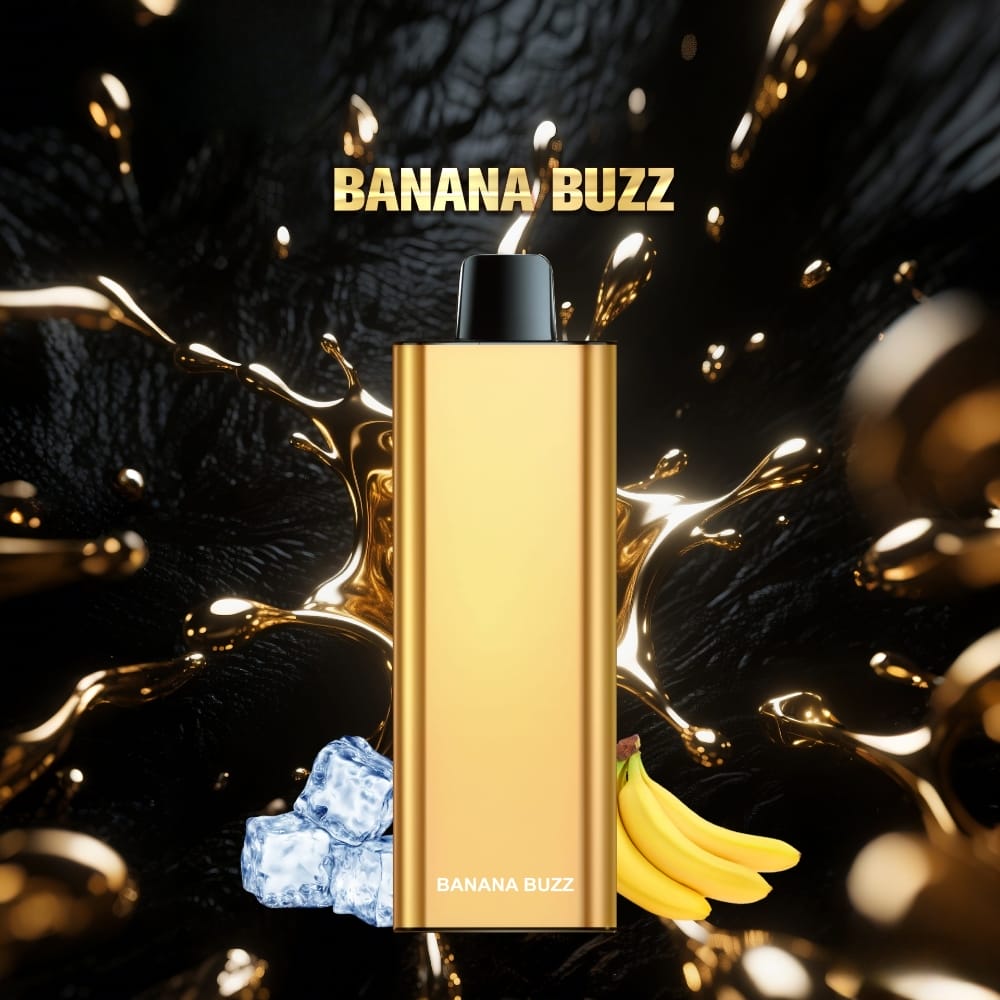
Shell material changes how quickly sunlight heats an unattended vape. Gloss-coated aluminium and brushed metallic bodies—such as the gold-finished Alibarbar INGOT9000 and UMIN Slick Plus 10000—absorb solar radiation rapidly when placed on sunlit café tables, boat consoles, or ute dashboards. Even ten minutes in direct midday sun can warm the outer casing far above room temperature, warming internal wicking cotton and loosening flavour seals.
Keeping a dedicated shaded storage spot at home—such as an interior bedside drawer or cool study desk away from west-facing glass—maintains stable viscosity and protects fruit and mint flavour notes. Avoid storing spares inside bathroom cabinets where hot shower steam raises local humidity and triggers moisture buildup inside air channels. Consistent indoor temperatures also help protect real-world device longevity, which we break down in our guide to how long a 10,000-puff disposable vape lasts.

Step-by-Step Summer Care and Carry Routine (3 Steps)
- Step 1 – Stand Upright in a Shaded Indoor Zone (15 °C–25 °C): What to do: Place active and spare devices standing upright mouthpiece-up inside a shaded indoor tray or drawer away from windows, kitchen stoves, and bathroom steam. How to confirm success: Exterior housing stays cool to the touch and e-liquid settles evenly over the base wicking ports. Common mistake to avoid: Leaving devices lying flat on sunny patio furniture or inside parked car consoles, cup holders, and gloveboxes.
- Step 2 – Use Protective Travel Barriers When Outdoors: What to do: Slip active devices into an insulated fabric sleeve inside a shaded work bag or inner backpack pocket rather than tight sunlit trouser pockets, and replace the original silicone mouthpiece dust cap when walking through windy or sandy coastal spots. How to confirm success: No pocket lint, beach grit, or warm condensation coats the intake rim. Common mistake to avoid: Tossing an uncapped disposable loose beside coins, keys, or damp towels where grit enters the mouthpiece bore.
- Step 3 – Equalise Temperature Before Drawing or Recharging: What to do: If a device accidentally warms up in a hot bag outdoors, move it to an air-conditioned room and let it sit untouched upright for 20 to 30 minutes before taking a puff or plugging in a Type-C cable (on rechargeable models like the Ice Adjust 12000). How to confirm success: The casing returns to ambient room temperature and vapour flows cleanly without hot spitting or gurgling. Common mistake to avoid: Placing a hot vape inside a kitchen fridge or freezer—rapid cooling creates internal condensation water that can short auto-draw pneumatic sensors.
Handling Overheated, Leaking or Damaged Devices Safely
- Minor mouthpiece condensation or wet draw: Move to a cool room, remove any surface droplets with a dry paper tissue, wrap the tip loosely in tissue, and flick firmly downward twice to clear trapped fluid from the chimney tube before testing one light draw.
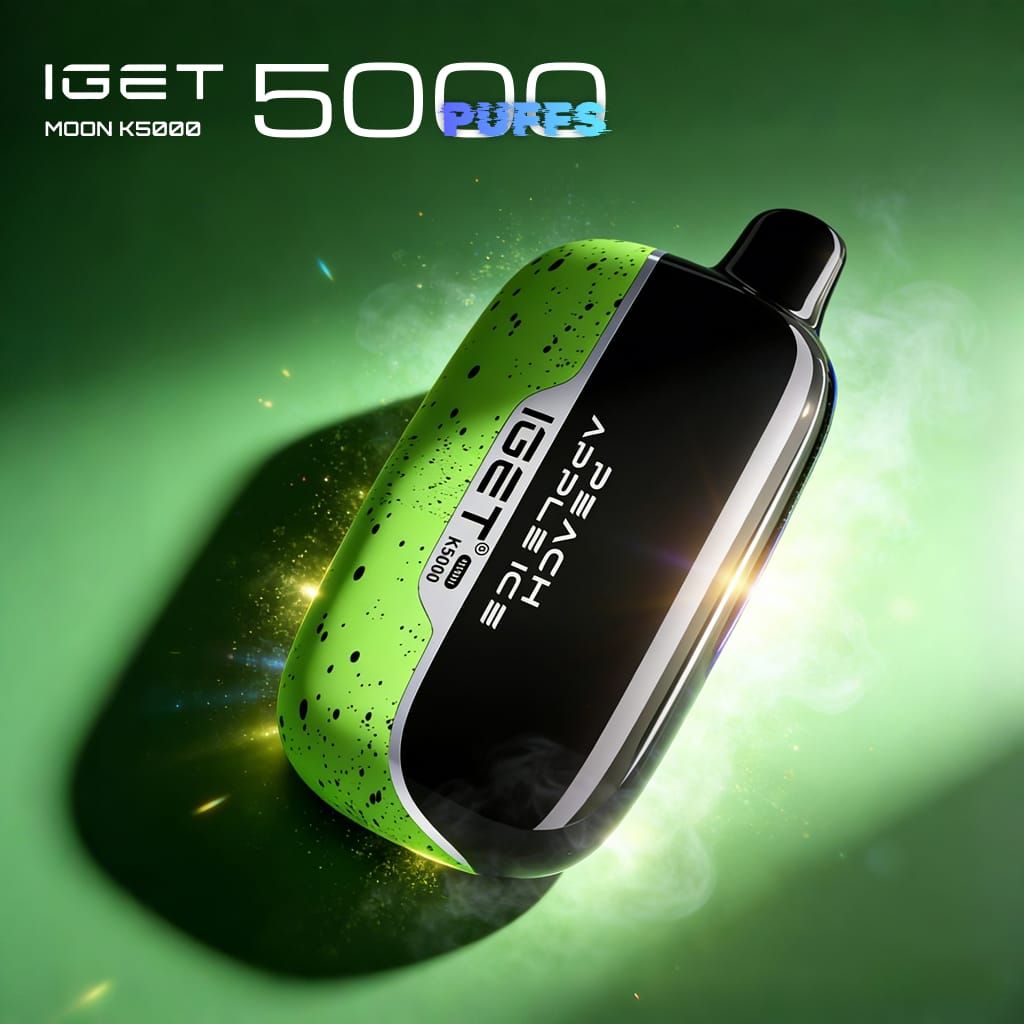
- Sticky base leaks or swollen casing: If warm storage forced liquid out through the bottom seam, wipe carefully with a damp cloth then dry completely, and place the unit aside on a non-flammable ceramic saucer. If the casing feels bulging, hot to touch while idle, hissing, or emits an acrid chemical smell, stop using it immediately, move it outdoors to a shaded fire-safe surface away from combustibles, and do not charge or crush it.
- Protecting flavour integrity: High temperatures oxidise nicotine salts and delicate citrus or berry top notes faster, muting vibrant blends profiled in our Australian IGET vape flavours guide and making fresh draws taste stale.
Australian Adult Safety Guidance (18+) and Lithium Recycling
This storage guide applies strictly to adults aged 18 and over. Adult buyers bringing vaping goods through airports or checking federal compliance requirements should consult official guidance at the Australian Border Force (ABF)—noting also that aviation rules require lithium-battery devices to travel in carry-on cabin luggage rather than checked cargo holds. For domestic battery fire prevention, the ACCC Product Safety Australia lithium-ion batteries guide highlights keeping lithium products away from extreme heat sources, direct sun, and physical punctures.
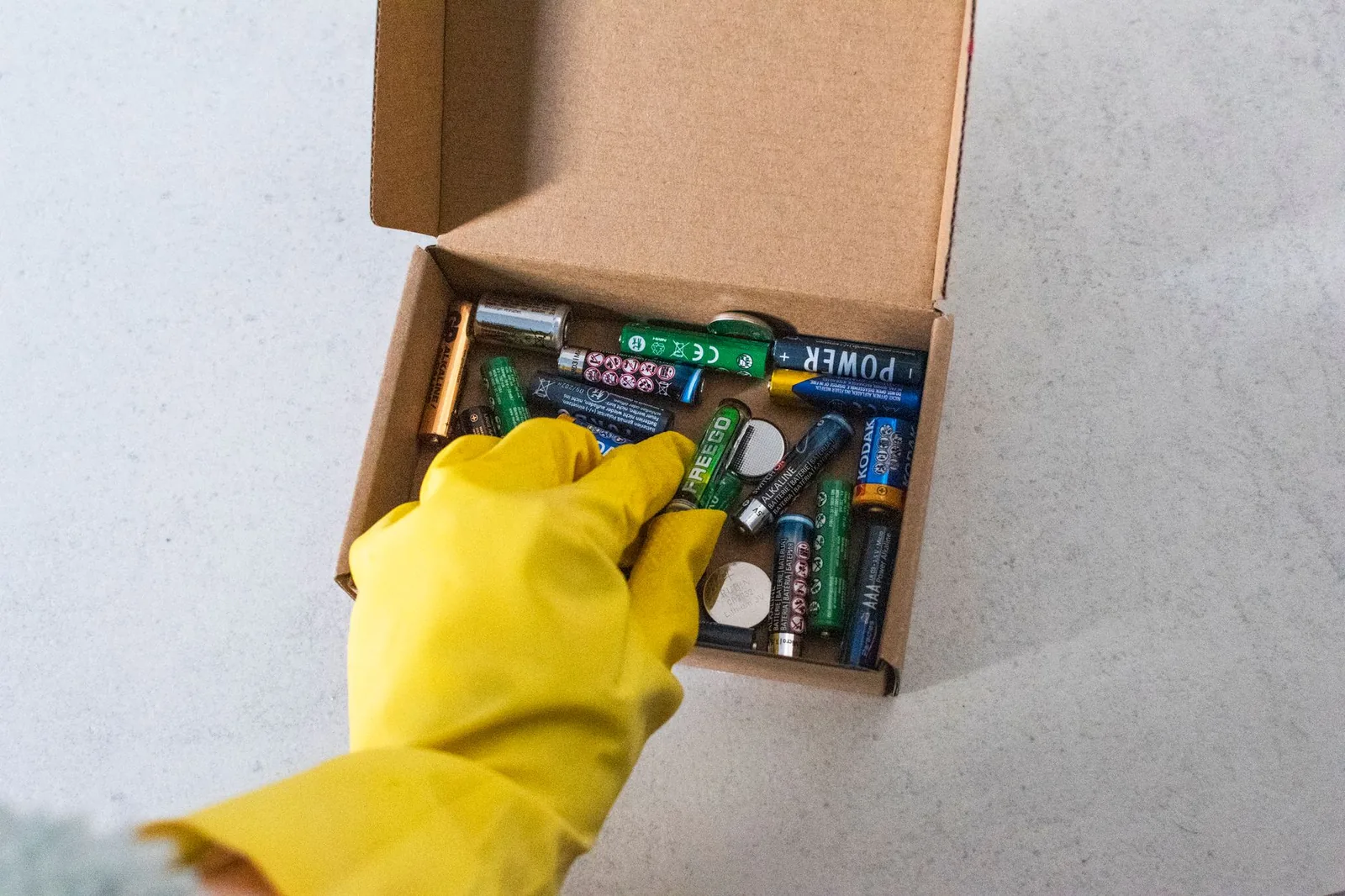
Never toss heat-damaged or empty vapes into domestic household rubbish or yellow recycling bins where truck compactors crush lithium cells. As confirmed by the B-cycle official battery recycling FAQs, retail supermarket B-cycle collection boxes do not accept vapes or embedded-battery devices; keep spent hardware upright in a cool non-conductive container indoors and drop it off at a local council Community Recycling Centre (CRC) or hazardous e-waste station. For wider device troubleshooting across the catalogue, check our IGET Bar Plus S3 care and charging guide or explore the full UMIN product range on iget1.com.
Frequently Asked Questions
1. Is it safe to leave a disposable vape in a parked Australian car for 30 minutes?
No. Even on mild 26 °C Australian summer days, closed vehicle cabins climb well past 50 °C rapidly. That heat thins e-liquid, causes chimney leaks, strains internal lithium cells, and creates genuine thermal safety hazards according to ACCC lithium-ion storage advice.
2. Can I put a warm disposable vape in the fridge to cool it down quickly?
No. Putting a warm electronic vape into a cold fridge or freezer causes rapid condensation inside the sealed airway and battery housing, which can flood cotton wicks or corrode the automatic draw microphone. Cool it gradually upright in normal indoor shade (15 °C–25 °C) for 20–30 minutes instead.
3. Why does heat make disposable vapes leak or gurgle?
Heat reduces e-liquid viscosity while expanding trapped air inside the internal reservoir. Expanding air pushes thinned liquid out of the saturated cotton polyfill into the central airway tube, resulting in gurgling draws or drops escaping through the mouthpiece.
4. How do I dispose of a heat-damaged or empty vape in Australia?
Do not throw it into kerbside red or yellow bins, and do not drop it in supermarket B-cycle battery boxes (which exclude embedded-battery vapes). Store spent devices upright away from heat and hand them in at your local council Community Recycling Centre (CRC) or e-waste facility.
Keeping disposable vapes upright between 15 °C and 25 °C indoors, out of parked cars, and clear of damp pockets protects both coil saturation and battery safety through Australian summers. Whether picking up the in-stock Alibarbar INGOT9000 (A$60.00) or UMIN Slick Plus 10000 (A$40.00) as of 13 November 2026, cool shaded storage is the simplest step to maintain flavour from first puff to last.